Quick Summary
Power outages are becoming a more common concern for Australian households. Severe storms, heatwaves, bushfires, and grid constraints all increase the risk of blackouts, particularly during peak demand periods.
As a result, many homeowners are turning to solar batteries expecting uninterrupted power when the grid goes down.
However, there is widespread confusion around what home batteries can and cannot do during a blackout.
Blackout protection and backup power are not the same thing.
Understanding the difference is critical for safety, system design, and realistic expectations.
This guide explains how home batteries behave during blackouts, what backup power actually means, and how Australian homes should plan for outages properly.
Why most solar systems shut down during blackouts
Many homeowners are surprised to learn that standard grid connected solar systems automatically shut down during a blackout.
This is not a fault. It is a safety requirement.
When the grid goes down, solar systems must stop exporting electricity to prevent power flowing back into the network while utility workers are repairing lines. This protection is known as anti islanding and is mandated under Australian standards.
Without a battery and backup capable inverter, your solar panels will not power your home during a blackout.
The role of home batteries in a blackout
A home battery can provide power during a blackout, but only if the system is designed for backup operation.
Not all battery systems include blackout capability by default.
A battery alone does not guarantee backup power.
The system must include:
- A compatible inverter
- A backup interface or backup gateway
- Proper isolation from the grid
- Correct switchboard configuration
Without these components, the battery may shut down during an outage just like a standard solar system.
Blackout protection explained
Blackout protection refers to the system’s ability to safely shut down or isolate itself during a grid outage.
This protects:
- Utility workers
- Your home
- Your electrical system
- Your battery
Blackout protection ensures that electricity does not flow into the grid when it is unsafe to do so.
Most solar and battery systems include blackout protection by default.
However, blackout protection alone does not mean your home will have power during an outage.
Backup power explained
Backup power means your home can continue to operate independently of the grid during a blackout.
This is achieved by creating a small local power network within your home, powered by your battery and potentially your solar panels.
Backup power requires additional system design and hardware.
There are two main types of backup power.
Essential circuits backup
Essential circuits backup supplies power only to selected circuits during a blackout.
These circuits typically include:
- Lighting
- Refrigeration
- Internet and communications
- Selected power points
- Medical equipment
High load appliances such as air conditioning, ovens, and EV chargers are usually excluded.
Essential circuits backup is the most common and cost effective option for residential homes.
Whole home backup
Whole home backup supplies power to most or all circuits in the home.
This requires:
- Larger batteries
- Higher power inverters
- Robust switchboard design
- Careful load management
Whole home backup is less common and typically suited to high end homes or critical applications.
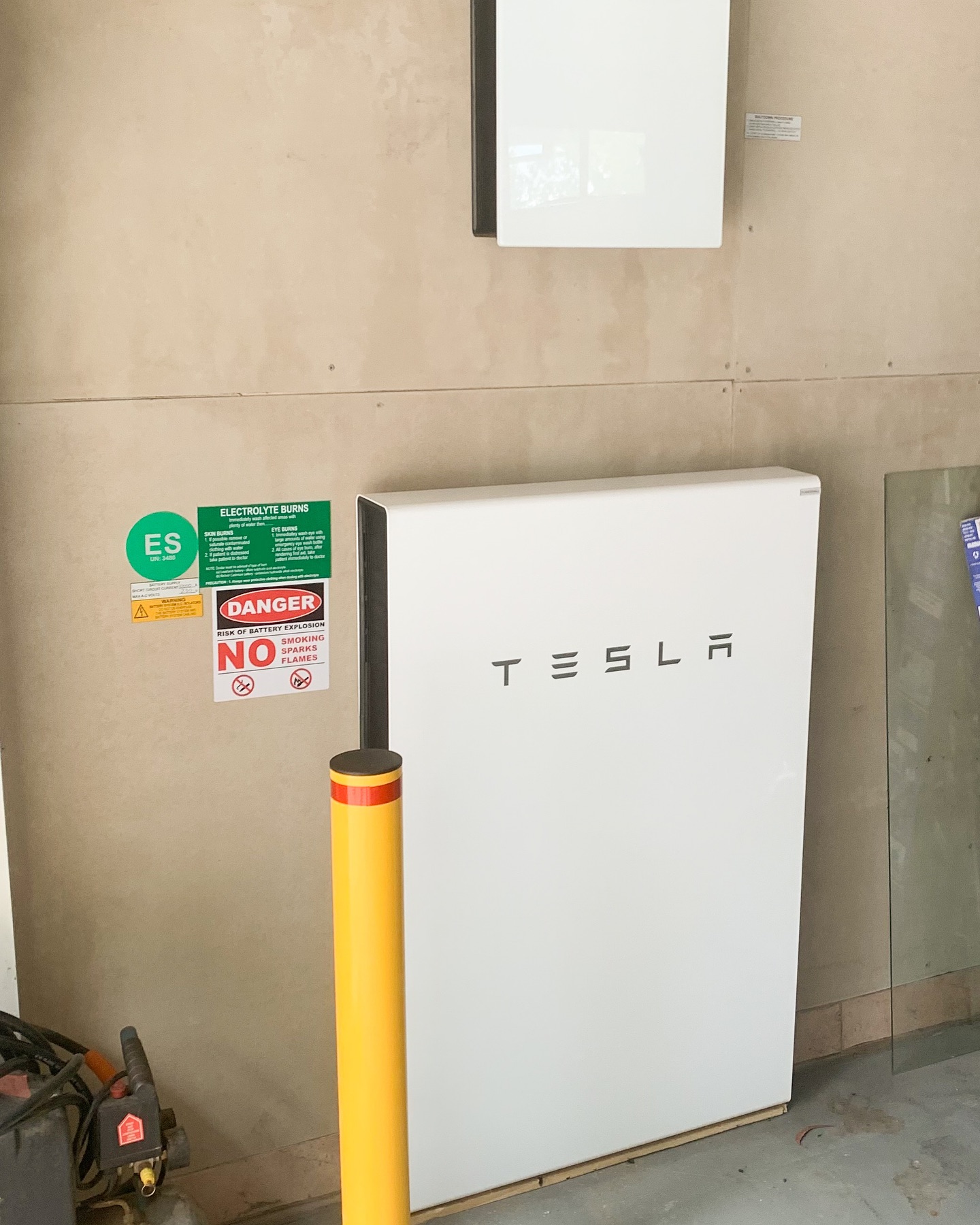
What home batteries actually power during a blackout
The duration and capability of backup power depends on several factors.
These include:
- Battery capacity
- Battery discharge rate
- Household load
- Which circuits are backed up
- Whether solar generation is available
A battery does not provide unlimited power.
It provides stored energy that must be managed carefully during an outage.
Solar generation during a blackout
Some battery systems allow solar panels to continue generating power during a blackout.
This is only possible if the system can safely form its own grid reference.
When configured correctly:
- Solar can recharge the battery during daylight
- The home can run longer during extended outages
This capability depends on inverter type, system design, and network approvals.
Common misconceptions about batteries and blackouts
Misconception 1: Any battery provides backup power
Not all battery systems are configured for backup operation.
Backup capability must be designed and installed intentionally.
Misconception 2: Solar always works during a blackout
Solar panels alone do not power homes during outages unless paired with a compatible battery and backup system.
Misconception 3: Batteries can run everything
Batteries are finite energy storage devices.
High load appliances can drain batteries very quickly.
Misconception 4: Backup power is automatic
Some systems require manual switching or specific conditions to activate backup mode.
Safety considerations during backup operation
Backup power systems operate independently from the grid and must be designed for safety.
This includes:
- Proper electrical isolation
- Correct earthing arrangements
- Compliance with Australian wiring rules
- Network approval
Improperly designed backup systems can create serious safety risks.
All backup systems must be installed by licensed electricians and accredited solar and battery installers.
Homeowners should never attempt to modify backup systems themselves.
How to decide if you need backup power
Backup power is not necessary for every household.
You may benefit from backup power if:
- You experience frequent outages
- You rely on medical equipment
- You work from home
- You live in a regional or rural area
- You want protection during storms or heatwaves
For some homes, blackout protection alone may be sufficient.
For others, essential circuits backup provides a good balance of cost and resilience.
Backup power vs generators
Some homeowners compare batteries to petrol or diesel generators.
Key differences include:
- Batteries are silent
- Batteries are automatic
- Batteries require no fuel
- Batteries integrate with solar
- Generators require manual operation and maintenance
Generators can provide high power for extended periods but come with noise, emissions, and maintenance considerations.
Designing a blackout ready battery system
A blackout capable system should be designed around:
- Your critical loads
- Expected outage duration
- Available solar generation
- Battery capacity
- Inverter power rating
- Switchboard configuration
This design process is essential to avoid disappointment and ensure safety.
Maintenance and reliability of backup systems
Backup systems require ongoing maintenance to remain reliable.
This includes:
- Monitoring battery health
- Firmware updates
- Switchboard inspections
- Backup testing
- Inverter servicing
Backup systems that are never tested may fail when needed most.
Professional servicing ensures your system remains ready.
Regulatory and compliance requirements in Australia
Backup power systems must comply with:
- Australian wiring rules
- Solar and battery installation standards
- Network service provider requirements
- Manufacturer specifications
Non compliant systems can void warranties and insurance coverage.
What homeowners should ask before installing a battery
Before committing to a battery system, ask:
- Does this system include backup power
- Which circuits will be backed up
- How long will backup power last
- Can solar recharge the battery during a blackout
- What maintenance is required
- Who handles warranty support
Clear answers to these questions prevent misunderstandings later.
Home batteries can provide powerful protection against blackouts, but only when they are designed and installed correctly.
Blackout protection and backup power are not the same thing.
Understanding the difference helps homeowners make informed decisions, avoid unrealistic expectations, and invest in systems that truly meet their needs.
A well designed battery system provides resilience, safety, and peace of mind when the grid goes down.